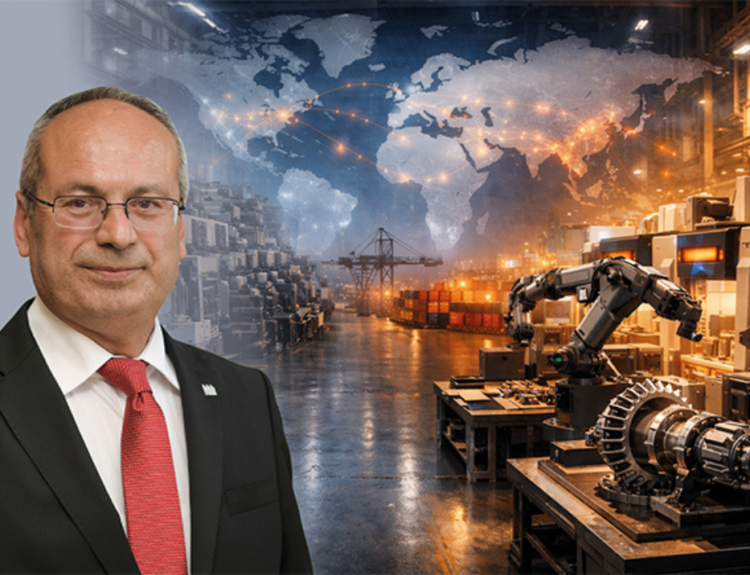

The fundamental transformation in European Union legislation in the field of machine safety, particularly with the 2023/1230 Machinery Regulation coming into force in 2027, brings with it a new compliance process for Turkish machinery manufacturers. We discussed the impact of this process on companies, critical issues that manufacturers need to pay attention to, and current safety standards for woodworking machinery with Erhan Eskicumalı, Chairman of the Turkish Standards Institute (TSE) MTC 207 Machine Safety Mirror Committee.
Machine safety is no longer just a regulatory issue for manufacturers with the new regulations coming into force in the European Union. The 2023/1230 Machinery Regulation, which will come into effect in 2027, introduces a more comprehensive approach to safety covering design, software, documentation, and post-market responsibilities. We discussed how the industry should interpret this transformation and which technical and structural issues are most important with Erhan Eskicumalı, Chairman of the TSE MTC 207 Machine Safety Mirror Committee.
- What is the Machine Safety Regulation and why is it important for manufacturers?
Machine safety is not only a legal requirement; it is also a strategic issue that directly affects human life, production continuity, and brand reputation. The Machinery Safety Regulation, which governs this area in European Union legislation, is the fundamental reference point for machinery manufacturers. The Machinery Safety Regulation requires that machinery meet minimum health and safety requirements before being placed on the market. This regulation aims to protect users, prevent accidents, and ensure fair competition among manufacturers. The CE mark is also a visible outcome of this process. Compliance with the regulation represents not only the manufacturer’s legal responsibility but also its reliability.
“The new Machinery Regulation has a directly applicable regulatory structure”
- What fundamental changes will the new Machinery Regulation, which will come into force in 2027, bring compared to the current rules?
The new 2023/1230 Machinery Regulation, which will come into force in 2027, has a directly applicable “regulation” structure, unlike the current directive approach. This change aims to reduce differences in interpretation, support digitalization, and cover new technologies (such as artificial intelligence, autonomous systems, cybersecurity, and software-based safety functions).
“Regulation can become a long-term competitive advantage rather than a burden”
- How will this new regulation affect machine manufacturers’ production processes?
The New Machinery Regulation (2023/1230) requires a comprehensive approach that goes beyond just the manufacturing stage, encompassing everything from design to software, documentation, and post-market processes. The key impacts can be summarized under the following headings
- Security, cybersecurity, and software-focused approach during the design phase: With the new regulation, machine safety is no longer limited to mechanical and electrical risks. Remote access, software integrity, resilience against cyberattacks, and functions involving artificial intelligence are now risk areas that must be addressed at the earliest stage of design. This situation emphasizes a secure design approach rather than a reactive approach.
- Software and control systems becoming part of production quality: Particularly in safety-related PLCs, safety PLCs, and software-based safety functions, it is becoming increasingly important not only to select the right hardware but also to ensure that the software logic is verifiable and traceable. Recording software changes, version management, functional testing, and controlled field updates are becoming a natural part of the production process.
- Documentation gaining a digital and continuously accessible structure: Technical files and instructions for use are no longer considered documents completed only prior to shipment, but rather digital assets that must be managed throughout the product life cycle. While it is possible to maintain technical files in a digital environment, it is the manufacturer’s responsibility to ensure that they can be quickly presented during inspections and that the instructions remain accessible to end users for many years.
- Changes in post-market processes and service approach: Remote access, software updates, and digital document management extend the manufacturer’s responsibility beyond the delivery of the machine. Ensuring safety functions are maintained during service, revision, and update processes, documenting changes made, and clarifying liability boundaries become more critical.
In summary, the new Machinery Regulation guides machine manufacturers toward more disciplined design processes, stronger software and cybersecurity management, and a continuous compliance approach throughout the product lifecycle. For manufacturers who adopt this approach early, the regulation can become a long-term competitive advantage rather than a burden.
- Finally, why is it important for companies to participate in national and international mirror committees, and what advantages does this participation offer them?
Participation in national and international mirror committees offers companies not only the opportunity to gain knowledge, but also the chance to have a say. Manufacturers can reflect their real needs in the field in standards, anticipate upcoming changes years in advance, and shape their strategies accordingly. This participation moves companies from being “followers” to being leaders in regulatory compliance. All stakeholders who wish to follow woodworking machinery in this context, including individuals, companies, NGOs, university students, and instructors, should definitely become members of the MTC 161 Machine Tools mirror committee. Becoming a member of these mirror committees is simple, a quick web search for “how to become a mirror committee member” will easily provide the necessary guidelines.