Despite its rugged terrain, Van boasts a balanced structure shaped by the surroundings of Lake Van, where life thrives. While agriculture and livestock farming are the mainstays of the city’s economy, tourism and cross-border trade also contribute to its economic vitality. With its historical heritage, natural landscapes, and distinctive way of life, Van remains one of the leading cities in Eastern Anatolia.
Located in eastern Türkiye, Van is one of the most distinctive cities in Eastern Anatolia, thanks to its harsh continental climate, high elevation, and vast geography. Its proximity to the Iranian border has made it a crossroads for various civilizations throughout history, and today it remains a major hub for trade, tourism, and cross-border activity. The most defining feature of the city’s identity is Lake Van, Türkiye’s largest lake. The settlements formed around Lake Van serve as the center of both economic and social life.
Historically home to many civilizations, most notably the Urartians, the city bears the traces of this multi-layered past to this day. Rising right on the city’s shore, Van Castle stands as one of the most significant symbols of this historical continuity. The settlements and natural areas surrounding the lake elevate Van beyond its status as merely an eastern city, transforming it into a destination that attracts attention both culturally and as a tourist destination.
A landscape shaped by high elevation
Van’s geographical structure is characterized by a blend of vast plains and mountainous terrain. Harsh winters and prolonged snow cover directly influence the city’s rhythm of life. In contrast, the milder climate that develops around the lake during the summer months brings a different vibrancy to the region. The saline composition of Lake Van and the microclimate around it create a distinct ecosystem along the shoreline. In the inland areas, however, harsher climatic conditions prevail. This situation facilitates the diversification of both agricultural and livestock activities. In particular, the culture of transhumance holds a significant place among the region’s traditional ways of life.
Agriculture and livestock farming take center stage
Van’s economy relies heavily on agriculture and livestock farming. Extensive pastures and natural grazing lands make small ruminant farming one of the region’s most important sources of livelihood. Sheep and goat farming, in particular, are widely practiced.
In terms of agriculture, crops such as wheat, barley, and sugar beets are prominent, while efforts to develop fruit farming and local products have also increased in recent years. Among the products unique to Van, the following stand out:
- Herb-flavored cheese,
- Honey production,
- Local grains and dairy products
The goal is to achieve a more balanced structure for the city’s economy through the branding of these products and their expansion into different markets.
History and nature take center stage in tourism
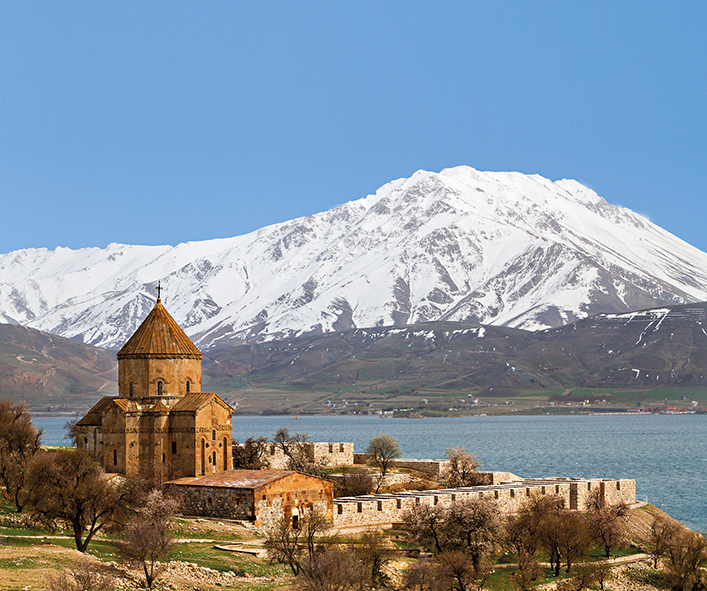
In recent years, Van has become one of the cities where tourism potential has been increasingly discovered. Lake tourism, cultural tourism, and nature tourism are developing as complementary sectors. Tourism activity, which is concentrated around Lake Van especially during the summer months, gives way to a quieter atmosphere in the winter. However, with the recent increase in nature tourism and photography routes, a visitor profile that spans different times of the year has begun to emerge. Akdamar Island, Van Castle, and the surrounding natural areas are among the most important stops in this diverse landscape.
Natural trails stretching from the lake’s shores to the highlands
The nature experience in Van is not limited to the lake’s surroundings. High-altitude plateaus, vast pastures, and mountainous areas offer a more serene and secluded connection with nature. Especially during the spring and summer months, the verdant highlands highlight the region’s pastoral character. In winter, the snow-covered landscape creates a distinct visual atmosphere, offering captivating settings for photography and nature walks. This diversity demonstrates that Van is a city that can be explored year-round, not just during a specific season.
Border trade and city life
Van’s proximity to Iran is one of the factors that directly influences the city’s economy. Border trade and the presence of Iranian tourists in the city are driving economic activity, particularly in the retail and service sectors. This situation makes Van one of the most commercially dynamic cities in Eastern Anatolia and contributes to the development of a vibrant social life in the city center.
The local cuisine is robust and distinctive
Van cuisine boasts a robust structure that reflects the rich and hearty culinary culture of Eastern Anatolia. The city’s breakfast culture is one of its most well-known gastronomic features.
A Van breakfast transforms into a lavish spread featuring herb-flavored cheese, honey, cream, kavut, murtuğa, and various local products. In addition, other standout flavors of the cuisine include;
- Keledoş,
- Ayran aşı soup,
- Meat-based regional dishes
Dairy products, herbs, and natural foods sold in local markets strongly maintain the connection between culinary culture and daily life.
Top attractions in Van
Van brings together historical structures and natural beauty within the same landscape. The highlights include:
- Akdamar Island and Church: This island on Lake Van, with its historic Armenian church and stunning views, is one of the city’s most recognizable landmarks.
- Van Castle: Dating back to the Urartu period, the castle is the most significant structure reflecting the city’s historical identity.
- Muradiye Waterfall: One of the natural areas that draws attention, particularly in winter, for its frozen appearance.
- Lake Van: Türkiye’s largest lake, it stands out for its swimming and scenic experiences.
- Hoşap Castle: A significant historical castle in the region, featuring a structure dating back to the Middle Ages.
- Van Cat House: A special facility dedicated to the protection and promotion of Van cats, known for their distinctive eye colors.