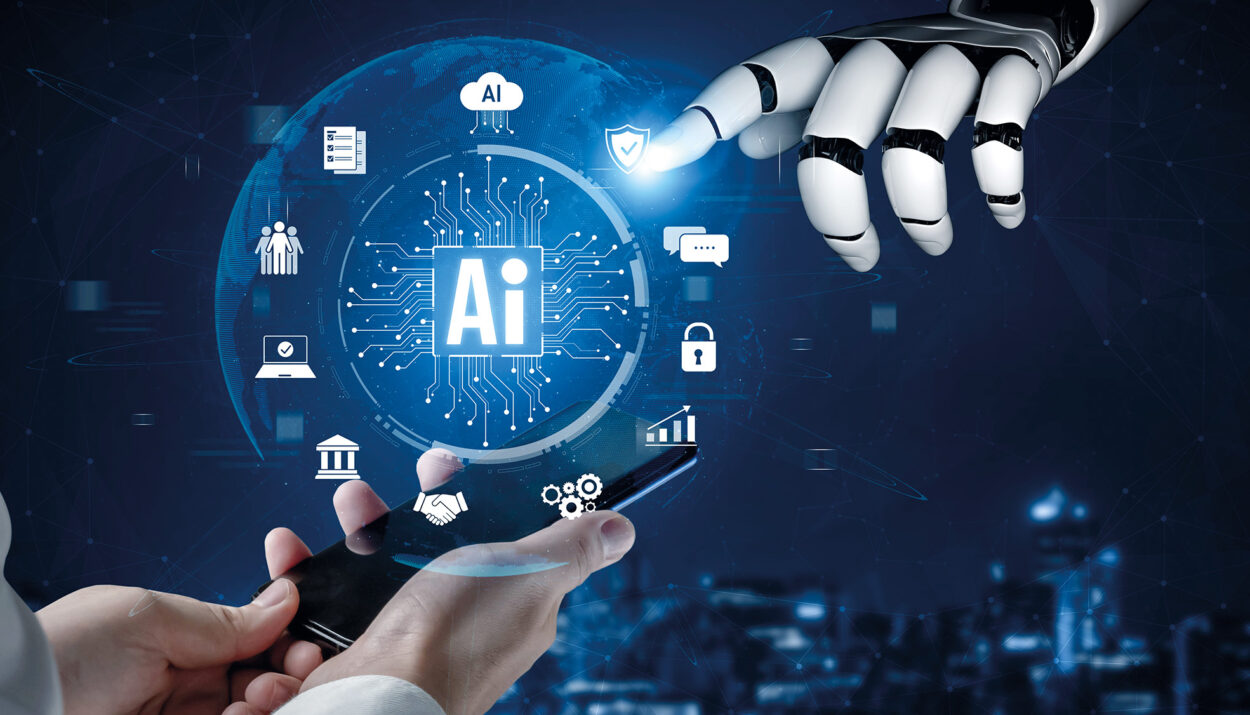
According to the Turkish Statistical Institute’s (TurkStat) 2026 Artificial Intelligence Statistics, the share of individuals using generative artificial intelligence rose from 19.2 percent to 37.6 percent in one year, while the share of enterprises using any type of artificial intelligence technology increased to 14.0 percent. The data show that AI use is particularly high among young people, higher education graduates and large enterprises.
TurkStat published its 2026 Artificial Intelligence Statistics, prepared to reveal the use of artificial intelligence technologies by individuals and enterprises and to monitor developments in this field. Based on the results of the Survey on Information and Communication Technology Usage in Households and by Individuals and the Survey on Information and Communication Technology Usage in Enterprises, the bulletin covers individuals aged 16-74 and enterprises with 10 or more employees.
According to the data, artificial intelligence use among both individuals and enterprises nearly doubled in 2026 compared with the previous year. The share of individuals who reported using generative artificial intelligence increased from 19.2 percent in 2025 to 37.6 percent in 2026. Meanwhile, the share of enterprises using any type of artificial intelligence technology rose from 7.5 percent in 2025 to 14.0 percent in 2026.
AI use is higher among young people
When the share of individuals reporting the use of generative artificial intelligence in 2026 was examined by gender, the rate stood at 37.2 percent for men and 38.1 percent for women. By age group, the highest AI usage rate was recorded among individuals aged 16-24, at 64.9 percent. This group was followed by those aged 25-34 at 55.7 percent and those aged 35-44 at 38.1 percent.
Usage increased with education level
When AI users were examined by educational attainment, the highest usage rate in 2026 was recorded among higher education graduates, at 62.7 percent. They were followed by high school or vocational high school graduates at 45.4 percent, primary or lower secondary school graduates at 35.5 percent, and primary school graduates at 8.5 percent.
86.4 percent of individuals used AI for personal purposes
Among individuals using artificial intelligence, 86.4 percent used these technologies for personal purposes, 37.3 percent for professional purposes and 32.6 percent for formal education.
When usage purposes were evaluated by gender, 86.0 percent of male users used AI for personal purposes, 43.2 percent for professional purposes and 29.1 percent for formal education. Among female users, the corresponding rates were 86.8 percent, 31.2 percent and 36.1 percent, respectively.
AI usage rate among enterprises rose to 14.0 percent
The share of enterprises using any type of artificial intelligence technology increased from 2.7 percent in 2021 to 14.0 percent in 2026.
By enterprise size, the AI usage rate in 2026 stood at 12.8 percent among enterprises with 10-49 employees, 17.0 percent among those with 50-249 employees and 37.1 percent among enterprises with 250 or more employees.
In 2021, the corresponding rates were 2.3 percent for enterprises with 10-49 employees, 3.6 percent for those with 50-249 employees and 9.6 percent for enterprises with 250 or more employees.
Highest usage in telecommunications, programming and information services
When enterprises using artificial intelligence technologies were examined by economic activity, the highest usage rate was recorded among enterprises operating in “telecommunications, programming and information services,” at 63.7 percent.
This activity group was followed by enterprises operating in “publishing, radio-TV and content activities” at 57.1 percent and those engaged in “repair of computers and communication equipment” at 32.4 percent.
Marketing or sales was the most common area of use among enterprises
Among enterprises using any type of artificial intelligence technology, 51.0 percent reported using AI software or systems for marketing or sales purposes in 2026.
This was followed by use for Research and Development (R&D) or innovation activities at 46.3 percent and use in production or service processes at 43.4 percent.
Ready-made software solutions stood out
When the methods used by enterprises to acquire artificial intelligence software or systems were examined, 67.8 percent reported using open-source software, while 49.1 percent used closed-source software, either free of charge or on a paid basis.
The share of enterprises that had AI software or systems developed for them by external providers stood at 46.5 percent, while 32.1 percent reported that such systems were developed by their own employees.
16.6 percent of AI-using enterprises processed personal data
Among enterprises using artificial intelligence technologies, 16.6 percent reported processing personal data through these technologies, including information such as gender, age, occupation, educational background, address details, purchase records or facial images.
This rate was 16.9 percent among enterprises with 10-49 employees, 15.3 percent among those with 50-249 employees and 17.0 percent among enterprises with 250 or more employees.
8.3 percent of enterprises not using AI are considering doing so
In 2026, 8.3 percent of enterprises that did not use any artificial intelligence technology reported that they were considering adopting such technologies.
By enterprise size, this rate stood at 7.4 percent among enterprises with 10-49 employees, 12.2 percent among those with 50-249 employees and 14.9 percent among enterprises with 250 or more employees.
Lack of expertise was the most significant barrier
Among enterprises that did not use artificial intelligence technologies but were considering doing so, the most frequently cited reason for not adopting AI was a lack of relevant expertise within the enterprise, reported by 72.3 percent.
This was followed by uncertainty over legal consequences, such as questions regarding liability in the event of damage caused by the use of artificial intelligence, at 66.4 percent, and concerns related to data protection and privacy violations at 65.4 percent.